Is Profitable Trading Skill—or Just Luck?
The following is adapted from The Next Perfect Trade by Alex Gurevich.
When people ask what I do for a living, the answer is deceptively simple: I trade financial markets. I evaluate risk, place bets on price movements across assets, and try to make disciplined decisions under uncertainty. Once that’s clear, the next question almost always follows. If this work makes money—sometimes a great deal of it—why isn’t everyone doing it?
Over the years, I’ve been called many things, from “genius” to “rock star,” with the labels shifting depending on how the most recent trade performed. A former colleague once joked that if we could throw out 95 percent of our trades and keep only the good ones, we’d all look brilliant. That remark captures something important about how trading is judged.
Most people evaluate trades after the fact. “I should have bought Apple at $20.” “She was brilliant for exiting before the crisis.” “That currency move was obvious.” With hindsight, uncertainty vanishes and outcomes feel inevitable. But the real question isn’t whether a trade looks smart in retrospect. It’s whether there was any reliable way to recognize it as a good decision before the outcome was known.
This question only matters if profitable trades truly exist. At first glance, the answer seems obvious. Certain investors have delivered exceptional returns decade after decade. They must be doing something right.
But not so fast.
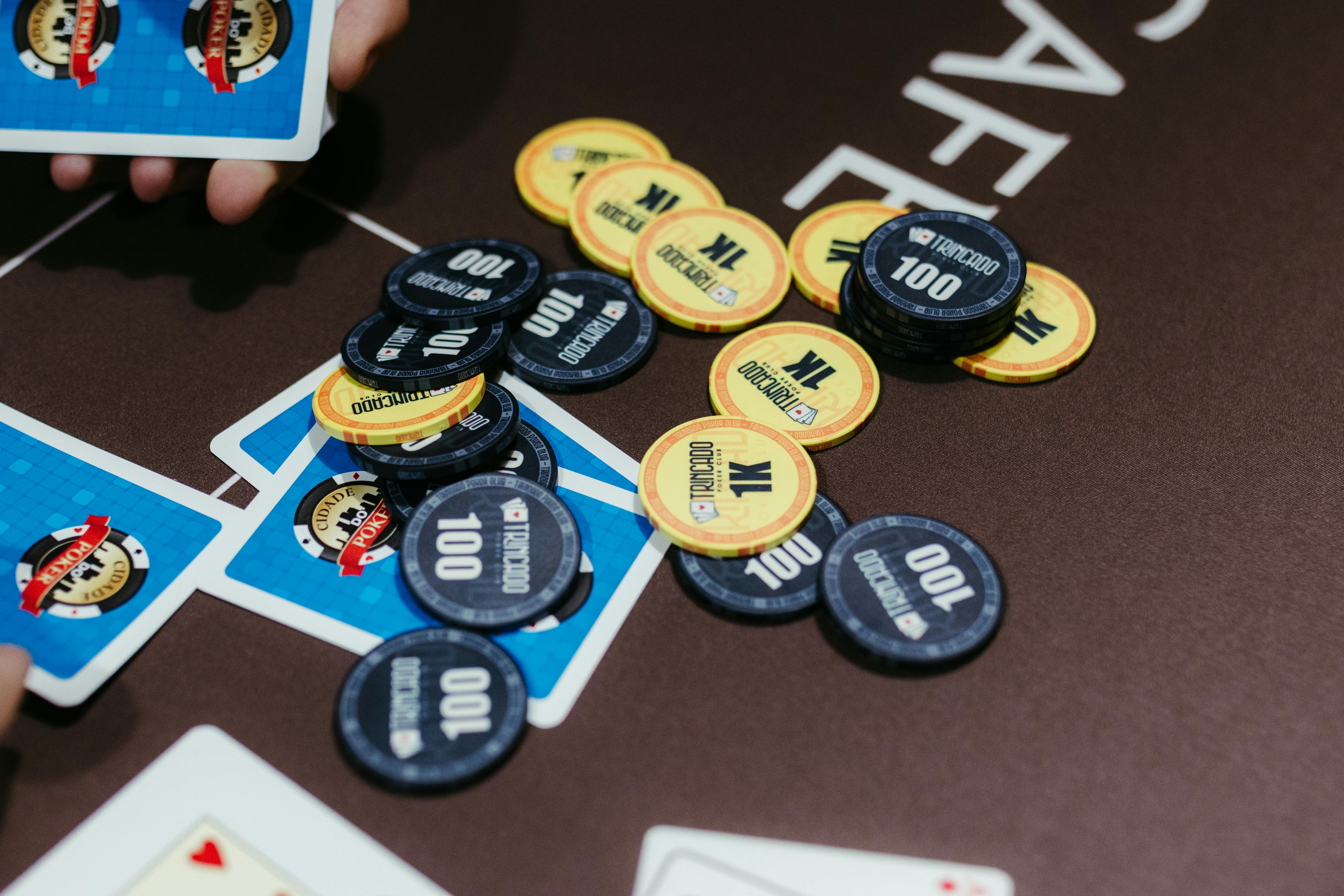
Trading is often compared to poker. In both, the goal is to make decisions that improve your odds, not to guarantee a win. The outcome of any single trade—or hand—is largely beyond the player’s control. You can follow sound principles and still lose.
So what if the most successful traders aren’t the most skilled, but simply the luckiest?
A professional poker player I know once ran a simulation involving a thousand solid players, each with a real edge, playing one million hands. Even in that massive sample, some skilled players ended up losing money purely due to statistical variance. The conclusion was unsettling: entire careers could be shaped by randomness alone.
Poker, however, offers something markets do not: a vast and consistent data set. Researchers analyzing hundreds of millions of online poker hands have shown that skill does, in fact, outweigh luck over time. Courts have even accepted this conclusion, ruling poker is not a game of pure chance.
Markets are messier.
Trading is closer to duplicate bridge, where everyone plays the same hand—the same world, the same macro environment—but small differences in rules, constraints, and timing can have outsized effects. Traders can win or lose based on factors unrelated to insight: which products they’re allowed to trade, access to capital, or simply being in the right place at the right time.
Add survivorship bias, and the picture becomes even murkier. We study the winners because the losers disappear.
All of this makes past performance a fragile signal. Some star traders emerge through skill, others through luck, and many through a combination of both. That doesn’t mean true expertise doesn’t exist. It means identifying it requires more than a track record—it requires understanding the principles behind the decisions.
…
To explore the principles behind consistent trading decisions, The Next Perfect Trade is available on Amazon.
Alex Gurevich is the founder of HonTe Investments. After earning a PhD in mathematics from the University of Chicago, he leveraged his passion for strategic gaming into a lucrative Wall Street career. He has been hailed by The Wall Street Journal as the star trader of J.P. Morgan, where he served as Managing Director in charge of global macro trading and, in 2020, was leading HonTe’s macro strategy when he ranked second by net return according to BarclayHedge. Alex is the bestselling author of The Next Perfect Trade and The Trades of March 2020.
Ready to Write Your Book?
Scribe has helped 2,000+ authors turn their ideas into published books. Schedule a free consult to get started.
Schedule a Consult